Showing posts with label tomato. Show all posts

Wednesday, May 6, 2015

Smoky tomato lasagne and crispy apple tart

Smoked Tomato Lasagne

Pics by Steve Shanahan 
© Redbox Photography

First published Canberra Times 6 May 2015.
As the cold weather kicks in, we witness the slow demise of the tomato plants that are so prolific throughout our short growing season in Canberra. Despite the fact these poor plants dont seem to understand that its time to call it a day and give up, they still try and keep producing.

As an ode to the faithful tomato I wanted to make a dish that provided a fitting send off and settled on the process of smoking the tomatoes in a stovetop smoker. This was to give that extra punch to my lasagne.

The hot sun and scant rain provide perfect conditions as I harvest plump, very ripe tomatoes from my plant. So I go into my peasant, down homey kind of thing that happens when I use my own garden produce to make something extra special and get personal with my tomatoes.

For this dish, it involved making a stovetop smoker by adapting an old stainless stock pot and lid. I laid some foil on the inside base, then a handful of hickory chips, another layer of foil and then placed an old round metal cake cooler over the foil. I placed four large, salted, halved tomatoes cut side up on the cake cooler and then placed the lid on the top and sealed with layers of foil to prevent the smoke from escaping.

I turned the exhaust fan on maximum suck, placed my smoker on a medium heat until I could smell the faintest smell of smoke, then I turned the heat well down and continued cooking for fifteen minutes.  I removed the foil and lid carefully, and lifted the tomatoes out carefully. They were clearly well smoked, a pretty rosy red and dripping with sweet juices. If you prefer a lighter smoke flavour, cook for five to ten minutes only.

The smoked tomatoes provide a powerful, smokey hit and add a complex richness to all the ingredients, including the Italian sausage, but the tomatoes are the obvious superstars here. Although this unusual lasagne could also be made without smoking the tomatoes, it would benefit from using very ripe and punchy tomatoes.

We finished our meal with a gorgeous, rosy apple tart, to celebrate the seasons. Perfect for this time of year. The apple tart should be started a few hours prior to cooking as the almond paste needs to thicken.

Any leftover lasagne or béchamel sauce can be frozen for later use.
  
METHOD 
Preheat the oven to 175C and lightly grease a 28cm x 20cm lasagne dish or size thereabouts.
Serves 6 to 8

Smoked Tomato Lasagna

3 large, ripe tomatoes, halved
400g tin of tomato puree
2 tsp brown sugar
large pinch of grated nutmeg
pinch salt and pepper
1 cup of béchamel sauce
2 tbsp butter
2 tbsp olive oil
300g mushrooms, sliced
400g ricotta cheese
2 eggs, lightly beaten
¼ cup basil, chopped
500g raw Italian sausages, sliced into 1.5cm slices
250g fresh lasagne sheets
200g mozzarella cheese, grated

Using a stovetop smoker and following the above instructions, smoke the tomatoes, cut side up and salted. When cooked, remove the tomatoes from smoker, allow to cool, and peel off the skins.

Place the skinned tomatoes into a bowl and puree with a blender. Stir in the tinned tomato puree and mix the béchamel sauce through. Season with salt, pepper, nutmeg and brown sugar. Set aside.

Warm the oil and butter together in a large frypan over a high heat. Add the sliced mushrooms and fry until the moisture has cooked out of the mushrooms and softened, about ten minutes. Set aside.

In another bowl, mix the ricotta, basil and eggs together, adding salt and pepper to taste. Set aside.

To assemble, spread one cup of the smoked tomato sauce mixture into the bottom of the lasagne dish. Place a layer of lasagne sheets over the sauce, cutting to fit. Add another cup of smoked tomato sauce, then half the mushrooms, half the sausage, and dollop with half the ricotta mixture. Repeat the layering, ending with the remaining sauce. Sprinkle the top with grated mozzarella cheese.

Cover tightly with foil and bake for forty-five minutes. Remove the foil and continue baking until the cheese is golden, about thirty minutes extra.

Allow the lasagne to stand for about fifteen minutes before serving. The lasagne will hold together better, the longer it is allowed to sit so the lasagne sheets can absorb the juices.


Bechamel Sauce

4 tbsp unsalted butter
4 tbsp plain flour
2 cups warmed milk
pinch salt and pepper

In a medium saucepan over medium heat, melt the butter. Add the flour and stir for about two minutes. Keep the mixture from browning.

Gradually pour in the warmed milk, whisking constantly. Bring the milk mixture to the boil and then reduce the heat to low, and, still whisking, let simmer for about five minutes. Season to taste with salt and pepper.


Crackly Apple Tart. 

Crackly Apple Tart

Almond Paste
¼ cup sugar
¼ cup almond meal
1 large egg
½ tsp vanilla paste
5 tbsp double cream

Tart
7 sheets of Filo pastry, cut to 23cm width x 33cm length
5 tbsp unsalted butter, melted
3 tbsp sugar
3 sweet, red apples
3 tsp apricot jam, strained to remove solids so only the gel is remaining.
2 tsp water


Mix the almond meal and sugar together in a bowl.

To make the almond paste, beat the egg, vanilla and salt together in a large bowl. Whisk in half the almond and sugar mixture and then the cream. Finish by whisking in the remaining almond and sugar mixture. Cover with plastic wrap and chill for a couple of hours.

Preheat oven to 175C and prepare a rack in the centre of oven. Line a biscuit tray with baking paper or a silicone sheet.

Place a sheet of filo pastry on the tray and brush gently with the melted butter and sprinkle with a teaspoon of sugar. Cover the sheet of filo with another sheet and repeat the process of stacking, buttering and sugaring until all the filo is used up. Carefully spread the almond paste over the top sheet, minding not to tear the sheet, leaving a narrow border without paste around the edge of the filo sheet.

Slice each apple in half and remove the cores. Slice each half into very thin slices and arrange in 3 vertical rows over the almond paste. Press the slices down so they are embedded slightly in the almond paste.

Bake the tart for about half an hour or until the apples are soft when pricked with a sharp knife. If the apples are very pale, you can place under a grill for a few minutes to bring them up in colour.

Transfer the tray to a cooling rack and heat the strained jam and water in a microwave to form a glaze. Gently brush the glaze over the entire tart. Serve sliced or broken up with fingers, warmed or at room temperature with cream or ice cream. 


Wednesday, November 26, 2014

Nicoise Summer Tart with Monkey Bread

Nicoise Summer Tart.
Photos by Steve Shanahan


First published Canberra Times,  26 November 2014.

The thing that’s so lovely about these warm, summery evenings in Canberra is the gorgeous luminous light that highlights the bright, new soft leaves of the trees. I believe we appreciate our seasons, as they are so incredibly extreme.

This association with light, summery evenings, easily translates to serving lighter, fresher foods incorporating the new seasons delicate vegetables, so easily accessible here. Tarts are perfect for entertaining and ideal fare for Christmas celebrations as they can be served warm on plates or passed around as finger food.

This particular tart is reminiscent of the French bistro classic, Nicoise Salad, however instead of serving it with tuna, I opted for the richer, more decadent flavours of salmon.  The tart holds up well for left-overs and can be made a day in advance. The beauty of a tart is that you can prepare and par-cook the tart shell in advance and the filling combinations are endless.

This tart was served alongside the wicked and indulgent Rosemary Monkey Bread, swimming in butter and honey.

Serves 8

2 cups flour
130 g unsalted butter, cold and cubed
3 medium sized eggs
½ head of butter lettuce leaves, torn into 5cm pieces
10 green beans, cut into 5 centimetre lengths
1 medium potato, peeled and sliced
1 95g good quality tinned salmon
½ cup cream
½ cup milk
1 tbsp Dijon mustard
3 tbsp olive oil
1 anchovy fillet
1 clove garlic, peeled
1 small red shallot onion, peeled
2 medium Roma tomatoes, thinly sliced
½ cup pitted black olives

Place the flour, butter and salt into a bowl. Using your fingers, rub the flour and butter together until it resembles course breadcrumbs. Add six tablespoons of ice-cold water and mix with a knife until a dough forms. Transfer the dough to a lightly floured surface and knead it until smooth. This should take about two minutes. Form the dough into a disk and wrap it in plastic wrap and refrigerate for an hour.

Boil the potato in salted water until tender, then add the green beans and cook for a minute more. Using a slotted spoon, transfer the vegetables to a bowl of ice-cold water, then drain and place in a medium sized bowl. Add the lettuce and salmon to the vegetables and set aside.

Blend together the milk, cream, oil, mustard, eggs, anchovy, garlic, shallot and salt and pepper until smooth and add to the vegetables and salmon. Stir to combine and place in the fridge until ready to use.

Preheat the oven to 170C.

Roll the dough into a thirty-two centimetre circle and transfer to a greased twenty-six centimetre spring form tart tin with a removable base, pressing the dough gently into the base and sides of the tin. Place the tin on a baking tray.

Prick the dough with a fork and cover with parchment paper and fill with dried beans. Bake until slightly firm, about fifteen minutes. Remove the paper and beans and spread the filling into the crust. Arrange the tomatoes and olives on the top and bake at a reduced oven temperature of 150C for approximately thirty minutes, this may vary and take longer depending on your oven. Check for doneness in the centre of the tart, it shoudl not be runny. Let the tart cool slightly before removing from the pan to serve.

Rosemary monkey bread
Rosemary Monkey Bread
180g unsalted butter
4 cups flour
1 cup of grated Gruyere cheese
1 cup of milk
¼ cup sugar
1 tbsp rosemary, finely chopped
2 tsp salt
¾ cup honey
2 packets or 14g of dried yeast

Grease a twenty-five centimetre bundt tin with butter and then dust well with flour. Whisk the flour, cheese, rosemary, salt and pepper in a medium bowl and set aside. 

Heat two tablespoons of the butter with the milk and one-third of a cup of water over medium heat until warmed. Do not overheat the milk as you will damage the yeast. Transfer the milk mixture to the bowl of an electric mixer fitted with a dough hook attachment. Stir in the sugar and yeast and allow to sit for about ten minutes until the mixture is foamy. With the motor running slowly add the dry ingredients to the yeast,  beating until the dough is smooth. Transfer to a lightly greased bowl, cover with cling wrap and leave in a warm place for about an hour.

Preheat the oven to 180C.


Melt the remaining butter in a small saucepan and whisk in the honey and set aside.

On a lightly floured benchtop, pat the dough out into a twenty centimetre square about two and half centimetres thick. Cut the dough into two and half centimetre pieces and squash together into the prepared bundt pan, layering as you go. Pour the melted butter and honey mixture over the dough. Bake until golden and a skewer, when inserted into the middle of the bread, comes out clean. This should take about thirty minutes. Let the bread cool slightly before upending onto a plate and serve with the Nicoise summer tart.


Friday, August 9, 2013

Kidney Beans - Curry and Chocolate

Photos by Steve Shanahan
 First published Canberra Times 8 August 2013 and goodfood.com.au


My memory of the 70s is crammed with images of noisy, shared houses, furnished from Vinnies, with the compulsory turntable, massive speakers and walls lined by a million LPs in scavenged milk crates. Fashion crimes were abundant and often involved Indian toe thongs and wrap around maxi skirts. In the background of this joyous chaos was the usual large pot of red kidney beans and vegetables simmering atop the faded green Early Kooka.

If you have something a little more exotic in mind for that tin of kidney beans lurking in the back of the pantry cupboard, then try these genius recipes.

With kidney beans touted as a miracle food that claims to lower cholesterol, reduces the risk of heart attack, is high in iron, fibre and vitamins, I decide to increase our intake of these super legumes and reduce the amount of meat in our diet.

The comforting Red Bean Curry is an authentic North Indian dish that is a snack to prepare and contains basic ingredients from the cupboard. Unlike many curries, you can make this in less than an hour. Just make sure you have plenty of fresh ginger on hand. I spike the curry with extra chilli and serve it with Bombay Potatoes as a side dish.  

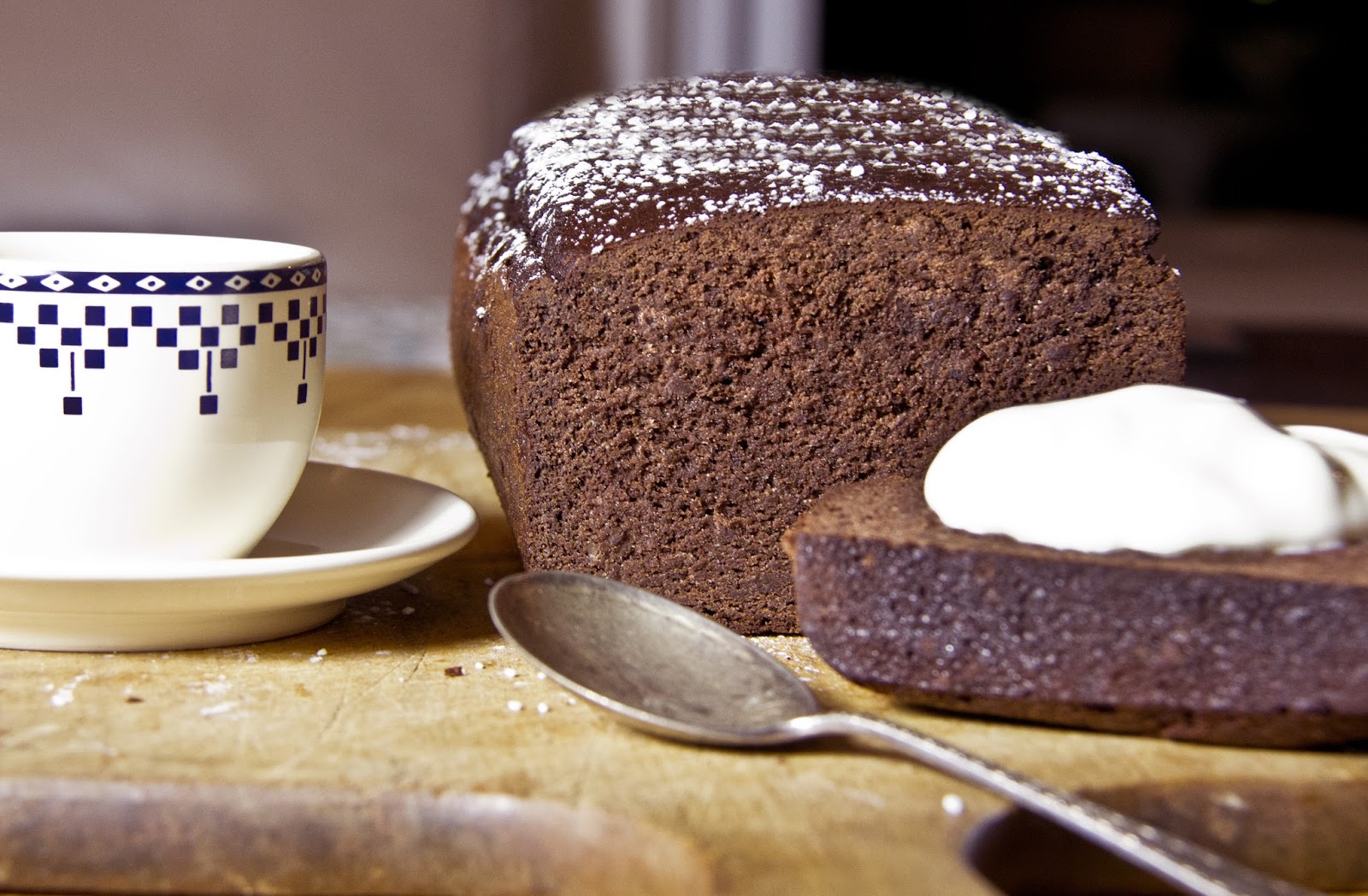
The recipe for Magic Bean Cake hails from a Thermomix recipe converted to a conventional method and requires the use of a food processor. You can make this cake using a blender and an electric mixer if you don’t have a food processor. Although this dense, silky cake is far from conventional, it is equally at home as a kids birthday cake or a dinner party dessert.  Best served with creme fraiche.  The added benefits of this cake is that it is low in sugar and is gluten free.

Serves 4
Red bean curry

3 tbsp extra virgin olive oil
3 tbsp chopped fresh ginger
1 medium onion, finely chopped
1 tomato, diced
3 cloves garlic, chopped
1 tsp salt
1 tsp ground cumin
1 tsp ground coriander
½ tsp cumin seeds
1 tsp brown mustard seeds
½ tsp ground turmeric
¼ tsp cayenne
240g tin chopped tomatoes
850g of canned red kidney beans, undrained.
½ cup chopped parsley and coriander
1 large green chilli, deseeded and chopped


Heat the oil in a deep sauce pan over a medium heat for one minute. Add the ginger, garlic, onion, green chilli and mustard seeds and let sizzle for about one minute. Add the crushed tomato, salt and remaining spices and cook for an additional five minutes, stirring frequently. Add the undrained kidney beans plus one cup of water. Bring to the boil, then reduce the heat to medium and cook uncovered for ten minutes. Remove from heat and serve with Bombay Potatoes, boiled rice and naan. Top with a dollop of yoghurt and chopped herbs.

Bombay potatoes
4 tbsp olive oil
1 tsp butter
¼ tsp brown mustard seeds
pinch of chilli powder
¼ tsp ground turmeric
350g potatoes, boiled till soft, quartered and well drained
salt to taste

Heat the oil in a frying pan on medium heat. Add the mustard seeds, chilli powder, turmeric and salt, stirring for thirty seconds.

Add the chopped potatoes and fry for about four minutes, until the potatoes are smothered in seeds and have crispy edges. Reduce the heat and cover the pan, cooking for a further five minutes. Serve with the curry as an accompaniment.

Magic bean cake
420g can of kidney beans, drained
1 tbsp vanilla paste
1 tbsp black coffee
70g dutch cocoa powder
1 tsp gluten free baking powder
½ tsp bicarbonate of soda
¼ tsp salt
125g softened butter
5 eggs at room temperature
160g sugar


Preheat the oven to 180C.
In a food processor, puree the kidney beans, coffee, one egg and vanilla until smooth. Set aside.

Using the same bowl of the food processor, combine butter and sugar, processing until pale.

Add the remaining eggs one at a time, processing until mixed after each addition. Add the bean mixture, then the sifted cocoa powder, salt, baking powder and bicarbonate of soda to the mixture, processing until mixed through and smooth.

Pour the batter into a twenty-two centimetre greased round cake tin or a silicone loaf tin, baking for approximately thirty-five minutes. Leave the cake to cool in the tin before turning out. To serve, dust with icing sugar and a dollop of creme fraiche or yoghurt or topped with a cream cheese icing.


Veal Marengo with Potato Rosti


Photo by Steve Shanahan


First published Canberra Times 10 July 2013.
Served in bistros all over France, this retro dish comes with its own crazy legend with Napoleon Bonaparte at its centre. Marengo is a town in northern Italy where, in 1800, Napoleon was victorious over the Austrians. This has been immortalised as the Battle of Marengo. 

The story goes that Napoleons chef, directed to come up with a suitably celebratory feast, whipped up a dish using ingredients that he was able to scrounge locally and named it Chicken Marengo to honour the decisive battle. Fortunately, some of the original ingredients such as scrambled eggs and crayfish havent survived to current versions of this recipe.

Napoleon, with all his insecurities, needed constant reminders of his victory, so also named his horse Marengo. Given Napoleons temperamental nature, we can only hope that Marengo didnt end his days in the cooking pot in yet another variation of this eponymous dish.
So now thats straight, my memories of this dish arent quite as auspicious as those above. Back in the 1960s when Mum wanted to impress at a dinner party, she would often trot out Chicken or Veal Marengo. It was served with a Napoleonic flourish, inside a ring of rice or buttered noodles, and we thought ourselves pretty sophisticated.

I admit I havent really been able to figure out when veal replaced chicken, why crayfish and eggs were ditched or how and why mushrooms got involved. But the result is a hearty winter stew that is easy to make and delivers flavour considerably more than the sum of its parts.
Made with veal, this dish is much richer and more complex than when made with chicken.
Serves 4

Veal Marengo
3 tbsp plain flour, for coating veal
salt and pepper
1 kg boneless veal, cubed
4 tbsp olive oil
2 tbsp unsalted butter
1 onion, chopped
1½ tins diced tomatoes, drained
3 tbsp tomato paste
2 ½ cups dry white wine
sprig of thyme, rosemary and  2 bay leaves
12 small eschalot onions, peeled
1 cup water
12 small white mushrooms, stems removed and wiped
10 baby potatoes, unpeeled
chopped parsley

Preheat the oven to 165C. Using a large ovenproof and stovetop proof casserole dish with lid, cut a round of baking paper big enough to fit the lid. This will reduce the amount of evaporation of juices while cooking. For this dish I usually use my Chasseur pot.

Season the flour with salt and pepper and place in a large dish. Add the diced veal and roll to coat in the flour in batches. Shake off excess flour and set aside.

To the ovenproof dish, add two tablespoons of olive oil and place over high heat. When hot, slip in some of the veal and fry in batches to not overcrowd the dish. Cook the veal cubes till brown and then transfer to a plate. Repeat with the remaining oil and veal.

Wipe out the dish with paper towel, add the butter and place over medium heat. When hot, add the chopped onion and cook for about five minutes or until soft. Stir in the tomatoes, tomato paste, wine and herbs. Add the veal and stir, bringing to a boil. Check for salt and pepper, adding more if needed.

Add the water, eschalots, mushrooms and potatoes and bring back to the boil. Once boiled remove the lid and place the baking paper circle on the top. Replace the lid and insert into the preheated oven.

Bake in the oven undisturbed for forty-five minutes until the potatoes and onions are softened.  Fish out the herbs and discard.

Serve with a sprinkle of parsley and a potato rosti.

If you feel inclined to replicate retro, you could serve this dish with buttered thick noodles or boiled rice.


Potato rosti
Makes 4 large rosti.

3 medium sized potatoes
1 tbsp butter
1 tbsp duck fat or oil
3 tbsp flour
salt and pepper
pinch of nutmeg

Parboil the potatoes whole with skin on in salted water until just tender, but not soft. Allow to cool and chill for a couple of hours.

Once cooled, coarsely grate the potatoes and squeeze out any excess liquid. Place grated potato into a bowl and add flour, mixing to combine. Season to taste and add nutmeg.

Heat half the butter and oil in a small heavy based frypan on a high heat.

Add a heaped tablespoon of the potato mixture to the pan and press down with the back of a spoon to form a flat pancake.  Allow to cook for a few minutes, shaking the pan to loosen the potato cake.

When the cooked side is crispy and golden, using a spatula or egg lifter, carefully turn the rosti over to cook the other side until golden.

Remove each potato cake to cool on paper towel.

Serve with Veal Marengo as a side dish.